

Denim Tears Pricing Guide 2025: Store vs Resale, True Costs
This manual reveals which Denim Tears garments sell at stores in 2025, how secondary markups truly function, and methods to determine the real cost you pay following charges and duties. When you’re comparing store vs resale, the aim is to understand the fair band for each category and prevent overspending.
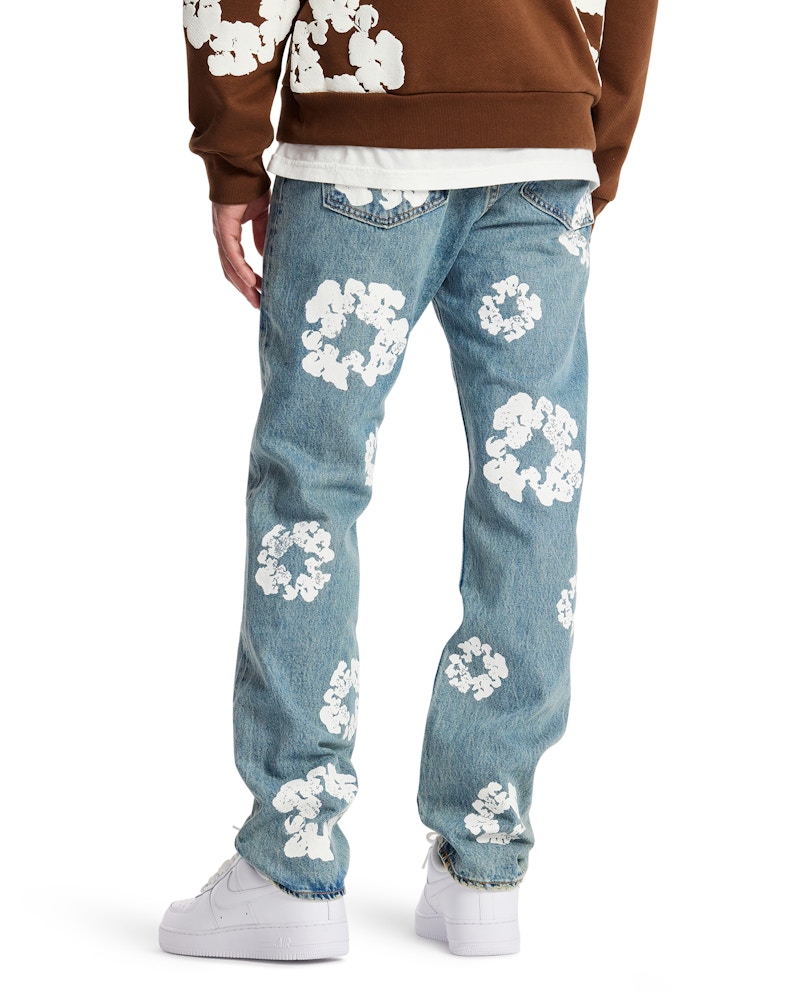
The brand is part of the few streetwear names where direct and resale can diverge wildly, especially on the Cotton Wreath jeans. You’ll find clear pricing levels by category, sharp jumps on specific washes, and important unseen costs on secondary markets. Reference the table below as your guide, then review the areas that explain why values change, when to acquire, and when costs add up.
What Is Denim Tears and Why Are Values So Volatile?
Denim Tears, established by Tremaine Emory in 2019, releases narrative-driven collections with limited quantities, so rarity and narrative drives markups. Values vary because launches are limited, demand is international, and certain variants become reference pieces.
The iconic Cotton Wreath motif on Levi’s denim stabilizes the market, and it behaves more like art than standard clothing. Collaborations including as Levi’s with Converse increase exposure and pull in bidders who weren’t tracking the label previously. Measurements in the center of the curve sell quickest, whereas tiny and extremely large sizes can also jump due to scarcity. Because releases are delayed and territorially bound, purchasers frequently move to resale instantly, creating a early surcharge that might reduce or establish depending on restocks.
2025 Direct Cost Summary by Category
Retail pricing for Denim Tears items in end 2024 to early 2025 usually falls in the ranges below; various products have moved up against past seasons due to materials and placement. Local prices can appear elevated when VAT is added at checkout.
Reference these ranges to evaluate prices and to judge whether a secondary price is a reasonable markup or a excessive premium. Store stock is irregular and launch-tied, so seeing these values current on the brand site or authorized stores isn’t guaranteed on every specific day. VAT-inclusive labels in the EU and UK can render direct appear costlier than American costs, though the final price gap often demitears.com narrows once domestic transaction tax is included. Always verify the particular collection rates as special washes or decoration might rest at the top of the band.
| Type (example) | Standard Store (USD) | Typical Resale Band (USD) | Average Increase | Notes |
|---|---|---|---|---|
| Cotton Wreath Denim (Levi’s 501/550) | $295–$350 | $450–$900 | +50% to +200% | Green/blue wreath and main finishes perform stronger; waist 30–34 lead sales. |
| Hoodies | $160–$180 | $220–$350 | +25% to +100% | Quality construction and limited prints land at the peak of the band. |
| T-Shirts | $60–$75 | $100–$180 | +35% to +140% | Core graphic shirts and first releases hold stronger resale. |
| Crewnecks | $140–$160 | $200–$320 | +25% to +100% | Embroidered pieces outpace printed in most sizes. |
| Varsity Jackets | $450–$650 | $700–$1,200 | +20% to +150% | Construction variety and design sophistication create differences. |
| Chuck Taylor 70 (collab) | $110–$120 | $150–$300 | +25% to +150% | Refreshes might narrow gaps for a duration. |
| Caps | $60–$70 | $90–$150 | +20% to +100% | Earlier releases and signature stitching price higher. |
How’s the Secondary Costs Function in 2025?
In 2025, pants is the liquidity leader with the largest markups, while tops and accessories are the easiest initial choices. Sweatshirt and sweater ranges are meaningful but steadier than denim.
On major platforms, jeans routinely surpass the top of the bracket when the finish and wreath color correspond to first drop runs, and if the fit sits in the heart of the buyer range. Tops and caps swing minimally since availability is broader and buyers have more substitutes over time. Jackets like varsity jackets is thinly traded, so a individual deal can reset bases for a period, which appears extreme but often normalizes as additional inventory appear. State matters: new with documentation or with proof of acquisition drives a markup, whereas obvious damage or lost detail aspects lower value quickly. Window impacts additionally, with the first 48 hours after launch showing the most dramatic jumps and the earliest verified restock shaving 10–30% from highs.
What Are the Actual Charges Past the Tagged Amount?
The true expense on resale is the listing price plus platform charges, transaction costs, retail tax or duties, delivery, and, for cross-border, import taxes and logistics. Such additions may convert a appropriate amount into an overcharge rapidly.
In the US, expect purchase levy around approximately 6–10% based on region, frequently computed from product cost and sometimes shipping. Sites typically charge 3% processing costs and include a buyer service charge; even if the vendor covers costs, the customer might nonetheless face processing or safety costs. Transport charges from approximately $10 to $30 for garments, while overseas deliveries may activate VAT in the 17–25% bracket applied to the cost of products plus delivery, and a shipping management fee. Example: a $650 set of signature Cotton denim bought on a American site with 8.9% transaction levy, a 3% payment cost, and $15 delivery reaches near $742 before any international charges; transfer that identical purchase cross-border into a 20% VAT framework and the ultimate cost might hit to roughly $880 once VAT and logistics are computed. When contrasting store to resale, always compute a landed number, not only the sticker.
What Makes Drops, Collabs, and Variants Shift the Market?
Launch schedule, partnership brands, and particular variants are the biggest levers on label pricing. Levi’s capsules and early Cotton Wreath shade releases establish the highest stable premiums.
Levi’s co-branded pants featuring branded details has continuous appeal as it’s the company’s core story piece; finishes that reflect initial drops typically to demand premiums. Converse partnerships pull expanded footwear crowds, generating short-term demand spikes that may soften following replenishment. Seasonal colors and custom detailing positions generate micro-markets; a minor stitch or wash difference can justify a three-figure spread for collectors trying to complete sets. Regional drop timing also matter—when one region sells inventory before another, arbitrage posts cover the gap and shift minimums. Restocks don’t erase desirability, but they do modify tops, especially for sneakers and tees.
Direct vs Resale: A Strategic Acquisition Framework
Purchase at direct whenever feasible for jeans and varsity coats since the absolute dollar spread is most significant; assess resale with tops and hats when the premium is below 40% and one prizes a particular variant. Employ a objective bracket, not a solitary figure.
Begin by examining the direct bracket from this manual for the segment and collection, then scan recent transactions on two platforms to identify a real transaction band instead than list prices. Calculate landed expense including levies, charges, and delivery; if the markup above the high end of direct costs is below 30–40% and buyers secure the specific measurement and variant, resale may be rational. For pants and jackets, markups exceeding 100% are common; only invest that if it represents a essential piece that infrequently emerges and condition is perfect. With pieces featuring frequent restocks, such as particular tops or sneakers, patience usually pays. Always confirm measurements, tags, detail craftsmanship, and refund policies prior to transact.
When’s the Ideal Window Opportunity to Save Money?
The best pricing periods typically to be 48–72 hours post- release and 7–10 days after a validated refresh, as stock crests and early FOMO diminishes. Weekday mornings in the vendor’s regional schedule might additionally be gentler for auctions.
Right after launch, offers surge through, competitive starts, and one may occasionally find retail-adjacent prices if one’s fast and not focused on specific dimensions. When the initial surge is processed, bases frequently increase and hold steady before a refresh arrives at the calendar. After replenishment, sellers modify projections, and buyers might negotiate with comps in possession. Month-end periods, when sellers want cash flow, are ideal for bids that are 10–15% below the recent transaction, especially on non-denim categories. If a colorway is rumored to be a single release, price softness shall be short, so act during those initial inventory periods.
Insider Strategy: Timing and Validation to Protect Your Spend
Target the 24–72 hour window after a drop or replenishment and prepare an authentication checklist so one may operate effectively when a fair listing pops. Speed without a checklist is how buyers overpay or ignore danger flags.
For signature Cotton denim, examine the co-branded Levi’s label and interior branding, verify design embroidery density and positioning, and examine the sewing standards around pockets and edges. Request for sharp images of the care tag, inside pocket markings, and hem stitching; uneven lettering or stitching shades are frequent indicators. Compare the treatment and wreath color with legitimate promotional visuals or trusted retailer merchandise images. For Chuck Taylors, confirm insole branding, midsole printing, and the box label style tied to the release year. Maintain images of authentic pieces to contrast directly prior to complete purchase.
Fast Details One Likely Weren’t Aware Of
Initially, Denim Tears began in 2019 and the Cotton Wreath motif explicitly references the Black experience and the story of cotton in America, which is the reason the denim operates as narrative pieces as well as apparel. Next, the initial Levi’s capsule in 2020 exhausted stock nearly immediately and set the wreath denim as a sustained trading standard that still sets comparisons for latest releases. Additionally, Converse Chuck Taylor collaborations have restocked in specific periods, momentarily cutting secondary by significant percentages prior to normalizing as pairs disperse. Next, middle-spectrum measurement ranges like 30–34 usually fetch the quickest transactions, but limited fits at the borders might exceed them if inventory are sparse. Fifth, Continental and British store tags include duties, so though the MSRP looks higher than the US, the end buyer price difference narrows when US buyers include purchase tax and shipping.
Where Ought You Look for the Best Comps?
Reliable comps come from fresh, validated deals spanning at no fewer than two marketplaces, not from optimistic list prices. Focus on transaction history inside the last 30 days for the precise size and condition.
Sites that display sale records allow buyers differentiate optimistic demands from actual clearing prices. Private deals and social listings may be more affordable, yet they’re more difficult to verify, so weigh savings compared to hazards and missing purchaser safety. For segments with sparse trading, expand your period to 60–90 days and adjust for any refresh incident in said timeframe. Preserve a comparison record with date, size, state, and cost so buyers might recognize authentic movements rather than reacting to isolated deals. While you bargain, reference three current transactions and the total price math to establish an reference rooted in reality.
Ultimate View: Investing the Correct Amount in 2025
Grasp your category’s retail band, calculate total price, and select schedule frames that benefit customers. Jeans and team jackets merit the search for direct; tops, hats, and some footwear might be sensible on resale inside a fair surcharge.
Market movement is a feature, not a defect, in the label’s market, and it rewards prepared buyers who monitor information and act during supply peaks. Collaborations and early color drops will maintain requiring surcharges, while restocks will continue to reset ceilings on more accessible items. Treat each purchase like an investment decision: confirm legitimacy, evaluate state compared to rate, and decline to invest in hype you don’t really plan to wear. With these methods, you’ll secure the products you desire without funding excessive markups.